Most restoration companies stop at "dry and decontaminated." Then you are alone · finding a general contractor, collecting bids, scheduling subs, managing a rebuild while you are still living through the disaster. We do not hand you off. The same IICRC-certified, veteran-led team that mitigated your loss rebuilds your home, from the studs up, with a single point of contact.
When mitigation ends and the drying equipment comes out, most restoration contractors hand you a completed moisture log and a referral list. The rebuild is your problem. That is the industry norm. It is not how we work.
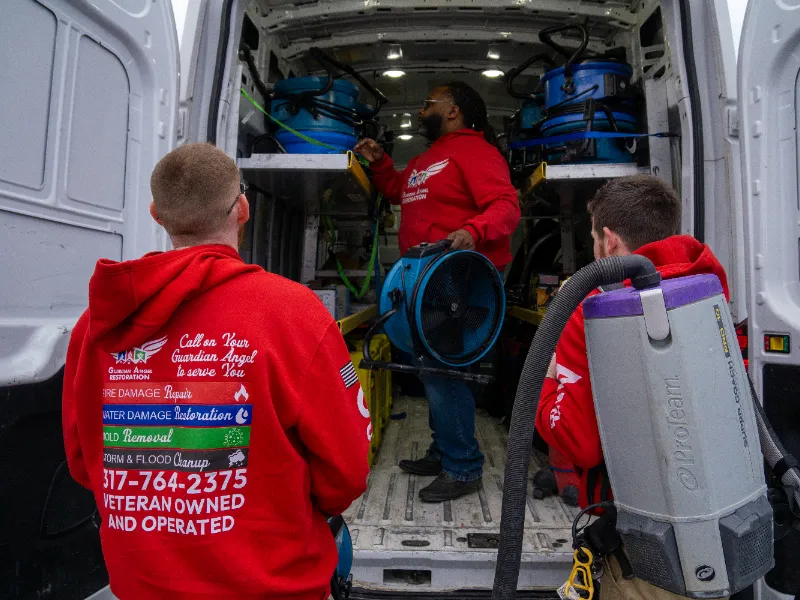
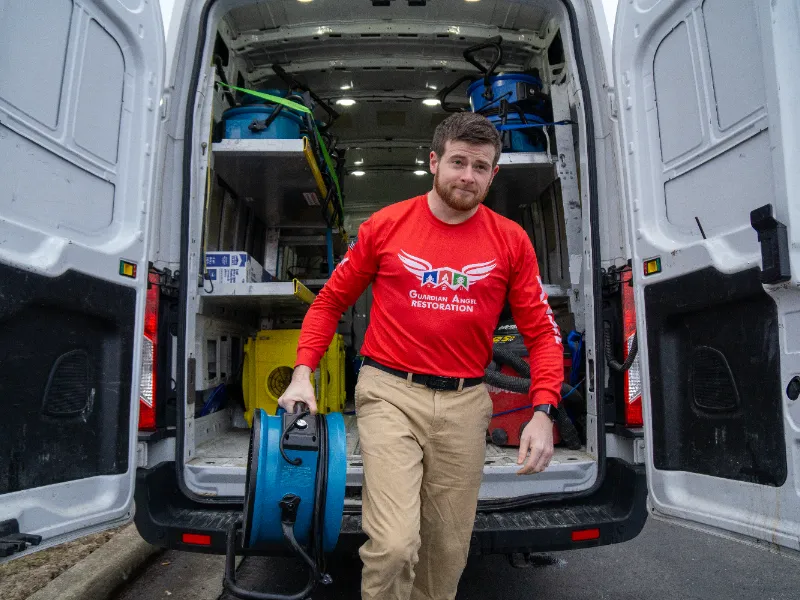
The same Guardian Angel technicians who extracted the water and set the drying equipment rebuild the structure. You never introduce a new contractor into your disaster.
One phone number. One project manager. No "call the mitigation company about X and the GC about Y." Every question comes to us and we answer it.
We write both the mitigation scope and the rebuild scope in Xactimate · the same software your insurance carrier uses. One contractor, one document set, one consistent chain of evidence for your adjuster.
Indiana-licensed contractor. We pull permits in our name, schedule inspections, and coordinate with city and county building departments in Noblesville, Carmel, Fishers, Westfield, Hamilton County, and Marion County.
Framing, drywall, paint, flooring, plumbing, electrical, HVAC, cabinetry, countertops, trim, and millwork. All coordinated by Guardian Angel. All on one contract, one schedule, one warranty.
You receive a written project schedule at the start. We update you every week. You always know what is happening, what is next, and when your home will be ready.
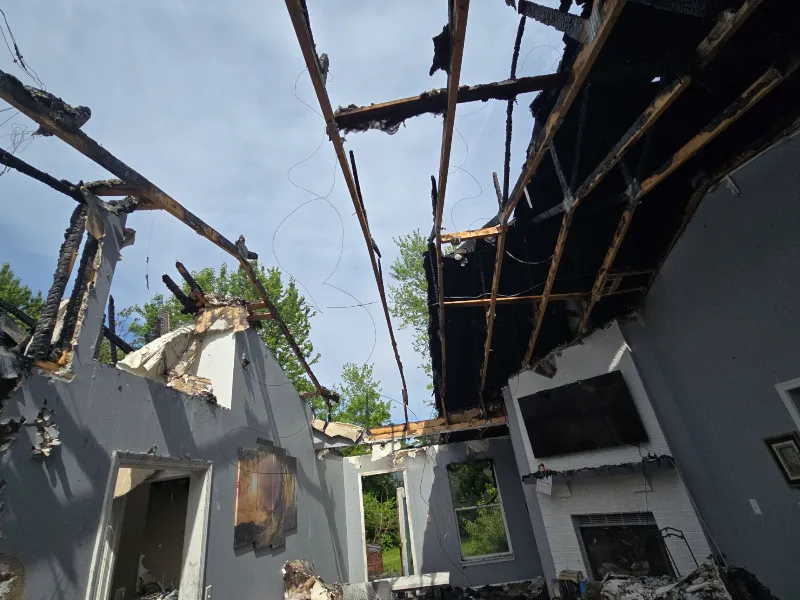
When disaster strips a home down to the studs, the rebuild requires coordination across a dozen trades. Most homeowners have never managed a construction project. You should not have to learn how during the worst week of your life.
We handle every layer of the rebuild in-house or with bonded long-term subcontractor partners we have worked alongside for years. The result is a home that matches or exceeds its pre-loss condition · not an insurance-grade patch job.
Every Guardian Angel reconstruction follows the same disciplined sequence. Military discipline applied to a civilian disaster recovery.
Once your structure is dry and decontaminated, we draft the full rebuild scope in Xactimate before a single nail is driven. Every line item is documented against your pre-loss condition so the insurance carrier has an unambiguous baseline.
We submit the rebuild scope directly to your adjuster and stay in communication throughout the review. If the initial approval is under-scoped · missing structural items, finish materials priced below replacement cost · we push back on your behalf. You should not have to negotiate your own home's rebuild alone.
We apply for all required building permits in our name and schedule inspections with the applicable city or county authority. Subcontractors for licensed trades are booked against a written project timeline you receive at this step.
Unsalvageable materials come out cleanly. Structural framing is rebuilt to current Indiana building code · from the studs up when the scope requires it. Framing inspections are scheduled and passed before rough trades begin.
Plumbing, electrical, and HVAC rough-in work is completed and inspected. Drywall is hung, finished, and textured to match surrounding surfaces. Paint is applied and matched to the original color or a new selection you approve.
Flooring is installed to match or exceed the pre-loss grade. Trim and millwork are reinstalled. Cabinets and countertops go in. Plumbing and electrical fixtures are set. This is the step where your home begins to look like home again.
We walk every affected room with you before we call the job done. If something is not right, it gets corrected before we close the project. Your peace of mind is our final deliverable.
The biggest advantage of one team handling mitigation and reconstruction is the insurance documentation. We use Xactimate for both scopes · the same software your carrier's adjuster uses to review losses. One contractor, one document set, one consistent chain of evidence throughout your claim.
Rebuild timelines depend on scope, permit jurisdiction, and material lead times. Here is an honest frame based on the losses we handle most often across Hamilton County and Greater Indianapolis.
Scope: $10,000–$30,000. Timeline: 2–4 weeks after permits are in hand. Common for a single bathroom, one kitchen wall loss, or a finished basement room.
Scope: $30,000–$100,000. Timeline: 6–10 weeks. Common for fire or water losses affecting a main floor and basement, or multiple upstairs rooms.
Scope: $150,000 and above. Timeline: 3–6 months. Common for total fire losses, severe storm structural damage, or catastrophic water intrusion affecting most of the home.
Every project receives a written schedule with weekly milestones when permits are pulled. We update that schedule every week and notify you of any changes before they affect your move-in date.
Headquartered in Noblesville. Licensed and permitted to build across central Indiana. Click your city for a local response page.
We do the rebuild ourselves using the same Guardian Angel crew that performed your emergency mitigation · plus our bonded long-term subcontractor partners for licensed trades like electrical, plumbing, and HVAC. You have one point of contact from the first call through the final walkthrough. There is no handoff to a separate GC, no juggling multiple bids, and no scheduling subs yourself while you are living through a disaster.
Single-room or limited rebuilds ($10,000–$30,000 scope) typically run 2–4 weeks after permits are pulled. Whole-house major losses ($150,000 and above) take 3–6 months depending on permit timelines and material lead times. We provide a written schedule at the start of every project and update you weekly throughout.
Yes. We pull permits in our name and schedule all required inspections with city and county building authorities · Noblesville, Carmel, Fishers, Westfield, Hamilton County, and Marion County. You do not have to manage the permitting process. That is our responsibility from application through final inspection sign-off.
We match or exceed the finish level of what was there before the loss. If your home had solid hardwood floors, engineered stone countertops, or custom cabinetry, that is what goes back in. If you want to upgrade during the rebuild, we can price that as a separate scope item above the insurance-covered replacement cost.
In most total-loss or major-loss scenarios, yes. Homeowners dwelling coverage is designed to restore your home to its pre-loss condition. We scope the rebuild in Xactimate · the same software insurance carriers use · so the adjuster reviews one consistent document set covering both mitigation and reconstruction. If the initial scope is under-adjusted, we advocate directly with your carrier.
Yes. If you have an existing relationship with a flooring showroom, cabinet supplier, or tile distributor and want to source materials through them, we coordinate with that supplier for installation. Our goal is a home you are proud to live in, not a generic insurance-grade finish.
It depends on the scope. For limited single-room or partial rebuilds, homeowners often stay onsite. For whole-house losses or projects involving plumbing, electrical, or structural work throughout the home, temporary relocation is usually safer and faster. Your insurance policy may include Additional Living Expenses (ALE) coverage that pays for temporary housing while we work · we can help you understand that benefit.
Yes. Every Guardian Angel rebuild carries a workmanship warranty. We conduct a line-by-line final walkthrough with you before the job closes. If something is not right at that walkthrough, it gets corrected before we sign off. Your peace of mind is our final deliverable.