Unattended death, crime scene cleanup, hoarding remediation, infectious disease decontamination · handled by an IICRC-certified, OSHA-trained crew that treats every scene, and everyone connected to it, with the dignity they deserve. Unmarked vehicles available. Answered 24/7.
Every call is different. What does not change is how we approach each one: with OSHA-compliant protocols, EPA-registered disinfectants, and quiet respect for whoever is going through this.
When a death goes undiscovered, the scene requires specialized remediation beyond what any cleaning service can handle. We remove biohazardous material, treat all affected surfaces, and verify clearance with ATP testing.
Law enforcement secures the scene. After they release it, remediation of blood, tissue, and biological material is the family's or property owner's responsibility. We handle biohazard crime scene cleanup in Indianapolis with discretion.
Hoarding situations often involve years of accumulation, active pest infestation, mold or moisture damage, and compromised structural elements. Remediation is a multi-week process requiring methodical pack-out, hazardous-material segregation, and restoration assessment · not a single-day cleanout.
Post-COVID, MRSA, staph, and other communicable disease decontamination for homes, care facilities, and commercial properties. EPA-registered disinfectants applied at dwell times sufficient for pathogen elimination, followed by ATP clearance verification.
Gross filth situations · extreme property neglect, sewage overflow in living spaces, animal waste accumulation · carry active biohazard risk. These scenes are handled under the same bloodborne-pathogen protocols as trauma scenes.
Safe recovery of needles and sharps from properties or vehicles, followed by proper medical-waste disposal through a licensed hauler. Vehicle decontamination follows the same EPA-registered disinfection protocol as interior spaces.
When a family calls us, they are not calling a cleaning service. They are calling because something irreversible has happened and they need someone to take care of what they cannot · or should not have to · manage themselves.
We do not rush. We do not make assumptions about the situation. We arrive in an unmarked vehicle if that is what the family needs. We work quietly and thoroughly, and we do not consider the job done until ATP clearance testing confirms the space is genuinely safe.
We do not just restore structures. We restore lives.
Call (812) 441-4814 · 24/7, no judgment
Here is exactly how a biohazard or trauma scene remediation unfolds at Guardian Angel. No surprises, no work without a written scope in hand first.
You reach a person, not a voicemail. We ask only what we need to know to help: the location, the general situation, and whether you need an unmarked vehicle. We do not press for details you are not ready to give.
Before any work begins, we assess the full extent of contamination and provide a written scope of work. No crew begins remediation until you have reviewed and approved that scope. No surprises after the fact.
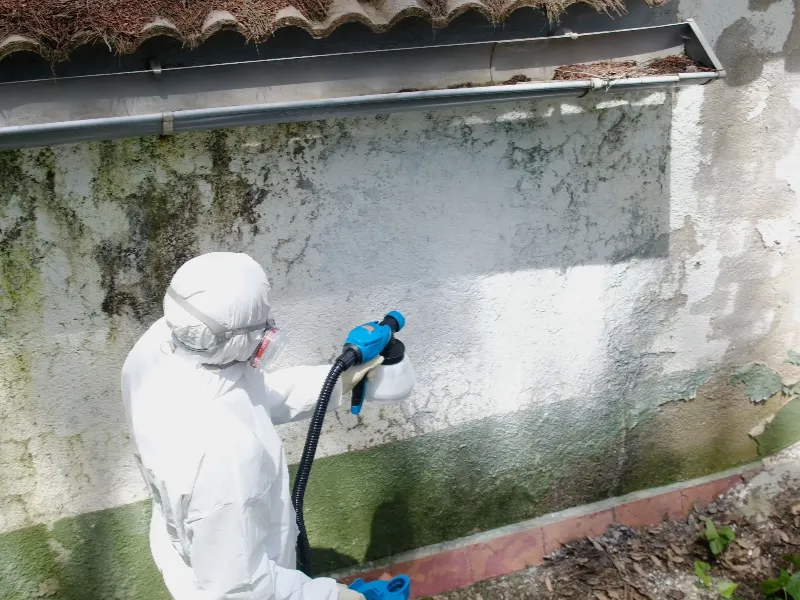
Affected areas are contained to prevent cross-contamination. All crew members suit up in full PPE · Tyvek suits, gloves, respirators, and eye protection · per OSHA bloodborne-pathogen standards before entering the scene.
Biohazardous materials are removed, bagged, labeled, and transported by a licensed medical-waste hauler under a state-issued manifest. Nothing enters a standard waste stream. This is not optional · it is an OSHA requirement and a basic obligation to the community.
Every affected surface is treated with EPA-registered disinfectants applied at manufacturer-specified dwell times · not wiped away before the chemistry has time to work. Dwell time compliance is the difference between surface cleaning and actual pathogen elimination.
After disinfection, we test affected surfaces using ATP (adenosine triphosphate) meters · the same clearance standard used in hospital operating rooms. The job is not complete until readings confirm the space is genuinely safe, not just visually clean.
Once clearance is confirmed, any structural materials that required removal · drywall, flooring, subflooring · can be rebuilt by the same Guardian Angel crew. One point of contact from first call through final walkthrough.
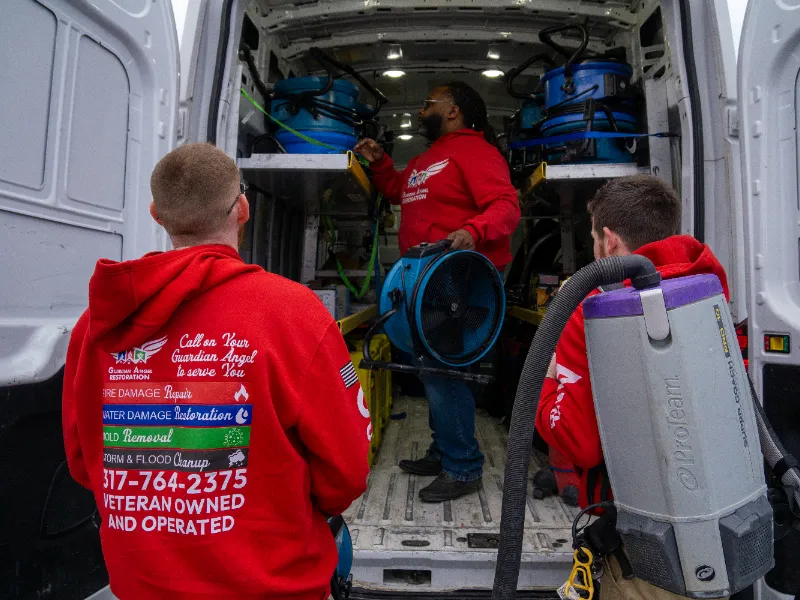
For biohazard and trauma jobs, we dispatch unmarked service vehicles by default when requested. Neighbors do not need to know. Property managers do not need to know. What happens in that home stays with the people who need to know.
On insurance: many homeowners policies cover crime and trauma scene cleanup under loss-of-use provisions or specific endorsements. Landlord policies and commercial property policies often carry separate coverage for exactly these situations. We help families and property owners understand what their policy covers before work begins, and we document the full scope for the insurer.
We are straightforward with families from the beginning, because the timeline and scope of a hoarding remediation is almost always larger than they expect · and it is better to know that going in.
Hoarding remediation is a weeks-long process, not a single appointment. The crew that walks through on day one is the same crew that completes the final walkthrough. We do not hand you off to a sub-contractor in week two.
We treat every item in that home as something that mattered to someone. We move through the process at a pace the family can participate in, if they want to. Nothing is discarded without documented decision-making.
Headquartered in Noblesville. Crews dispatched throughout central Indiana. We respond to biohazard and trauma calls in every community we serve.
Unattended death, suicide, traumatic accident, crime scenes, blood and bodily fluid remediation, hoarding cleanup, infectious disease decontamination (post-COVID, MRSA, staph), gross filth, sharps recovery, and vehicle decontamination across Hamilton County and Greater Indianapolis.
Yes. For biohazard and trauma cleanup, we dispatch unmarked service vehicles when requested. Discretion matters deeply to families, neighbors, and property managers. Let us know when you call and we will confirm the arrangement before we arrive.
Many homeowners policies cover crime and trauma scene cleanup under loss-of-use provisions or specific endorsements. Landlord and commercial property policies often carry separate coverage. We help you review what your policy covers before work begins and document the full scope for your insurer.
Scope determines cost. A contained blood scene may be a few hundred dollars. A whole-house unattended death or multi-year hoarding situation can reach tens of thousands. We provide a written scope before any work begins · no estimates that change once we are on-site.
We use ATP (adenosine triphosphate) testing · the same clearance standard used in hospital operating rooms. ATP meters detect organic contamination invisible to the eye. The job is not complete until readings fall within safe thresholds.
Yes, significantly. Hoarding remediation involves multi-stage pack-out and sorting, active pest remediation if infestation is present, structural assessment after years of load and moisture, and often mold or water damage remediation. It is a weeks-long process, not a single appointment, and we treat every item as something that mattered to someone.
All biohazardous materials are bagged, labeled, and transported by a licensed medical-waste hauler under a state-issued manifest. Nothing enters a standard waste stream. This is an OSHA requirement and a fundamental obligation to the community.
Yes. We answer 24 hours a day, 7 days a week. There is no after-hours surcharge. When you call, you reach a person who can dispatch a crew · not a voicemail or an answering service.