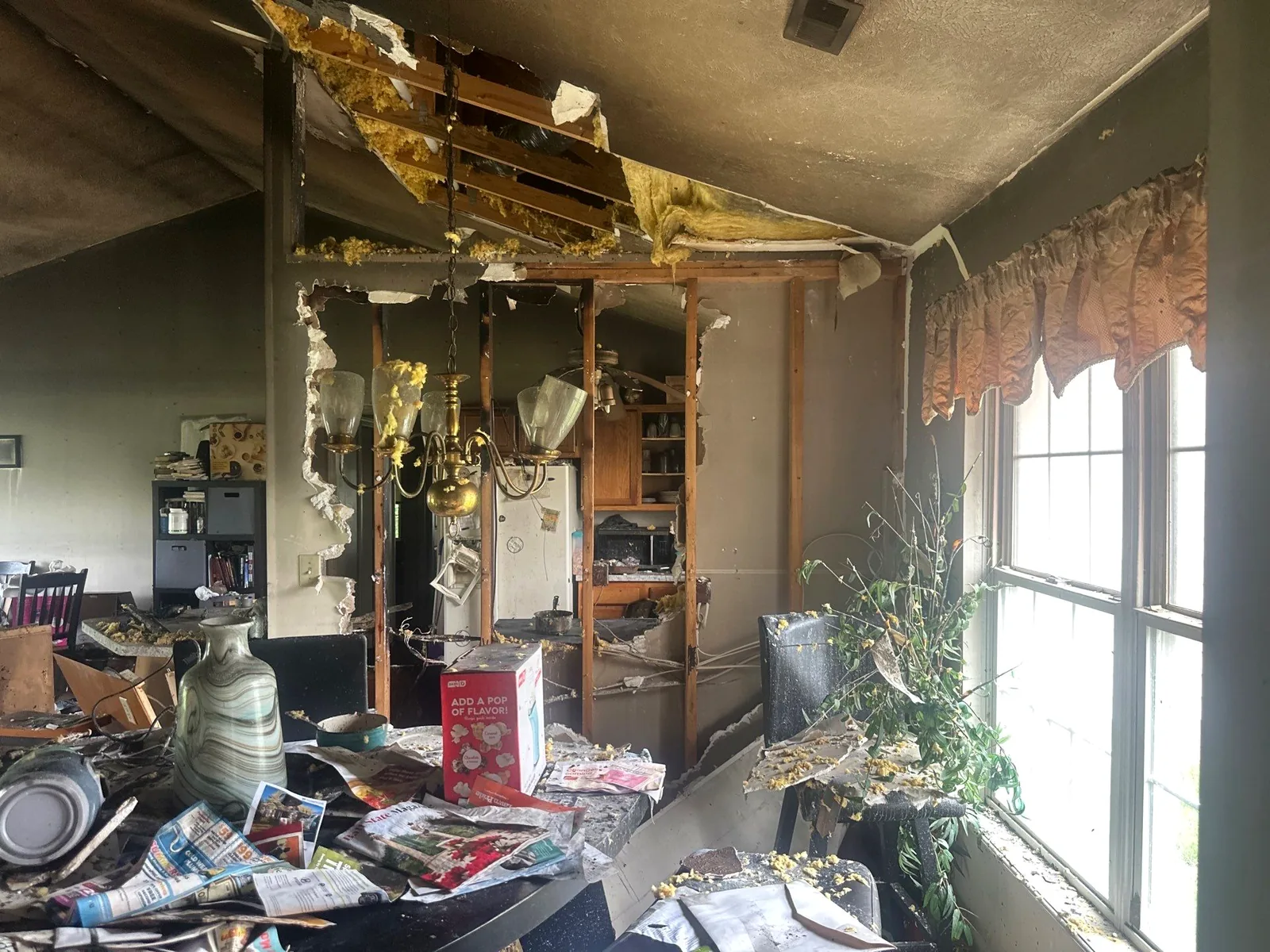
Cost of Smoke Damage Cleanup Services depends on several factors, including the type of smoke residue, the extent of the damage, the severity of lingering odors, and the size of the affected area. Most restoration companies begin with a detailed inspection to assess visible and hidden smoke damage before recommending the appropriate cleaning and restoration methods. Minor smoke damage may only require surface cleaning, while more extensive damage can involve odor removal, deep cleaning, air filtration, and structural restoration. Understanding the full scope of the damage helps ensure you receive an accurate estimate and the right level of restoration for your property.
Key Takeaways
- Smoke damage cleanup costs depend on soot spread, residue type, affected area size, and overall restoration complexity.
- Light soot may need surface cleaning, while heavy residue often requires deep restoration, deodorization, and possible material replacement.
- Professional inspections assess smoke paths, hidden damage, odor penetration, and salvageable items before estimating costs.
- Porous materials like drywall and insulation absorb smoke more than non-porous surfaces, increasing labor and treatment needs.
- Acting quickly, documenting damage, and requesting a scoped estimate can help control costs and avoid surprises.
What Smoke Damage Cleanup Costs
Smoke damage cleanup costs vary based on how far the smoke has spread, the type of residue left behind, and the size of the affected area, but you can typically expect pricing to depend on both labor and restoration complexity.
When you review the cost of smoke damage cleanup services, you’re usually paying for skilled technicians who remove soot, neutralize odors, and protect surfaces from further damage. You can expect a precise assessment after inspection, so you won’t have to guess what’s included.
If your home feels overwhelming right now, you’re not alone; a good crew helps you regain control with clear steps. You’ll get a plan that targets visible contamination and hidden odor sources, helping your space feel safe again.
What Affects Smoke Damage Cleanup Costs
Your smoke damage cleanup cost depends first on damage severity, since light soot may need surface cleaning while heavy fire residue can require deep restoration.
The affected material types also matter, because porous materials like drywall, insulation, and fabric absorb smoke more than metal or tile.
Odor removal methods can raise or lower pricing too, since you may need simple filtration or advanced treatments like thermal fogging, ozone, or hydroxyl systems.
Damage Severity
Damage severity is one of the biggest drivers of smoke damage cleanup costs because the extent of soot, odor, and heat damage determines how much labor, equipment, and specialized treatment the job requires.
If damage stays near the surface, your team can often use targeted cleaning, air scrubbing, and odor removal quickly. When smoke has spread through hidden cavities or hardened into residue, cleanup takes longer and needs more containment, filtration, and repeated verification.
Heavier damage also raises the chance of advanced deodorization and detail work, which increases labor hours. You’re not dealing with this alone; a thorough inspection helps you understand the scope before work begins.
The clearer the damage profile, the more accurately your restoration partner can estimate cost and timeline.
Affected Material Types
The materials affected by smoke often have a major impact on cleanup cost because porous, delicate, and heat-sensitive surfaces each require different methods and levels of labor.
If your home has drywall, insulation, carpet, upholstery, or fabric, technicians usually need deeper extraction and more time than for sealed tile or metal.
Wood trim, cabinets, and electronics can also raise costs because they’re easy to stain, warp, or corrode, so you need careful handling and specialized testing.
Painted surfaces may need cleaning or refinishing, while contents like clothing and documents can add sorting, packing, and restoration work.
You’re not alone in this process; a skilled team will match the method to each material, helping protect what can be saved and reducing unnecessary replacement.
Odor Removal Methods
Odor removal often drives smoke damage cleanup costs because technicians may need to combine air scrubbing, thermal fogging, ozone treatment, hydroxyl treatment, and repeated source removal to eliminate lingering soot smell.
You’ll usually pay more when smoke has penetrated porous materials, ductwork, or hidden cavities, since each area needs targeted treatment.
Air scrubbers filter airborne particles, while thermal fogging and hydroxyl systems neutralize odor molecules in different ways, and ozone works best in unoccupied spaces.
Your crew may also seal, clean, or replace contaminated items to stop smells from returning.
Expect a higher quote if the odor is severe, widespread, or stubborn, but a thorough plan helps you reclaim a clean, safe space and feel at home again.
How Smoke Damage Assessments Work
You’ll start with a detailed inspection of affected rooms, materials, and hidden cavities to map the smoke path and identify what’s salvageable.
Next, the assessor checks soot buildup, residue type, and odor penetration on surfaces, HVAC components, and porous materials to gauge contamination severity.
That evaluation helps you estimate cleanup scope, compare remediation methods, and understand why certain areas cost more to restore.
Damage Inspection Steps
A proper smoke damage inspection starts with a room-by-room evaluation of visible soot, heat staining, and odor spread. It then moves to hidden areas like HVAC ducts, insulation, and wall cavities.
You’ll usually see a technician document affected surfaces with photos, moisture readings, and notes on materials that can’t be cleaned safely. They’ll also check electrical components, vents, and porous items to map how far the damage traveled.
This step helps your team identify what can be restored, what needs removal, and which areas need containment before work begins. When you understand the inspection, you can follow the process with confidence and feel connected to a crew that’s working from the same plan.
Clear documentation also supports accurate estimates and fewer surprises later.
Assessing Soot And Odor
During a smoke damage assessment, technicians test soot density, residue type, and odor intensity to determine how deeply smoke has penetrated each surface and material.
You’ll see them inspect walls, fabrics, HVAC lines, and hidden cavities, because smoke often travels farther than visible staining suggests. They’ll classify residue as dry, wet, or oily soot, then match cleaning methods to each surface so you don’t pay for unnecessary replacement.
Odor checks include air sampling and close-range evaluation of porous items, since trapped smoke can linger after surfaces look clean. This process helps you understand what’s salvageable, what needs specialized deodorization, and how labor, equipment, and chemical treatments affect your cleanup cost.
When you know the scope, you can plan with confidence and feel supported.
What’s Included in Smoke Damage Cleanup
Smoke damage cleanup typically includes a structured process that removes soot, neutralizes odors, and restores affected surfaces and contents.
You’ll usually see debris removal, HEPA vacuuming, dry and wet sponge cleaning, and targeted wiping for walls, ceilings, trim, and hard goods.
Technicians may also treat fabrics, upholstery, and HVAC components to limit lingering residue.
Odor control often involves air filtration, sealants, or thermal fogging, depending on the damage.
You’ll also get content sorting, packing, and protection for items that can be cleaned and returned.
Moisture checks matter too, since fire suppression can leave materials damp.
This service helps you regain a clean, safe space while keeping salvageable belongings in your circle.
Clear scope, documentation, and itemized tasks make it easier for you to understand what you’re paying for.
How Professionals Clean Smoke Damage
Once the site is safe to enter, professionals start by evaluating the soot type, surface materials, and extent of damage so they can choose the right cleaning method.
You’ll usually see dry soot lifted with HEPA vacuums, while oily residue gets treated with specialized sponges, detergents, or solvent-based cleaners.
Technicians work from top to bottom and from clean areas toward heavier buildup to prevent spreading contamination. They may wipe walls, ceilings, trim, and contents by hand, then neutralize lingering odors with air scrubbers or thermal fogging.
If porous items hold smoke deeply, they’ll test a small area first to protect finishes.
This step-by-step process helps you feel confident that each surface gets the care it needs and that your space can return to a clean, comfortable state.
When Smoke Damage Needs Full Restoration
When soot has penetrated drywall, insulation, HVAC components, or hidden framing cavities, cleanup alone usually isn’t enough, and you may need full restoration to remove contaminated materials and rebuild affected areas.
You’re not overreacting; this level of damage can keep odors, acids, and particles circulating long after surface cleaning.
Structural materials stay stained, brittle, or corrosive.
Air pathways spread residue into clean rooms.
Sealed cavities trap odor and require demolition.
A restoration team will test affected surfaces, open concealed spaces, and remove compromised finishes before replacing them.
That process protects your indoor air and helps your home feel safe again.
If you’re facing this stage, you’re in the right place, full restoration gives you a clear path from damage to recovery, with every step handled methodically and with care.
How to Lower Smoke Cleanup Costs
You can keep smoke cleanup costs down by acting quickly, documenting every affected area, and limiting unnecessary demolition to the spaces that truly need it.
Call a qualified smoke restoration team as soon as the fire’s out, because soot gets harder to remove and costs rise with delay. Photograph walls, ceilings, contents, and HVAC components before any cleaning starts, so you can prioritize work and support insurance claims.
Act quickly after the fire, document all smoke damage, and support cleanup priorities and insurance claims.
Ask for a scoped estimate that separates cleaning, deodorization, and replacement, then compare it with industry-standard methods. Protect salvageable items by bagging textiles, sealing clean rooms, and shutting down contaminated vents.
If you stay organized, communicate clearly, and focus on targeted remediation, you’ll join other homeowners who control damage costs without sacrificing safe, thorough restoration.
Frequently Asked Questions
Does Insurance Usually Cover Smoke Damage Cleanup?
Usually, yes: your policy often covers smoke damage cleanup if a covered fire caused it. You’ll need to document losses, file quickly, and check deductibles, exclusions, and limits, since coverage can vary by insurer.
How Long Does Smoke Odor Removal Typically Take?
You’ll usually need a few hours to several days, depending on smoke intensity, materials, and ventilation. You can speed things up with ozone, HEPA filtration, and thorough cleaning, while heavy damage may take longer.
Can I Stay in My Home During Smoke Cleanup?
Usually you can’t stay, like avoiding a hazard zone; technicians use chemicals, ventilation, and containment that can irritate lungs. You’ll likely need temporary housing until air quality clears and surfaces test safe.
Are Electronics Salvageable After Smoke Exposure?
Yes, you can often salvage electronics after smoke exposure if you act quickly. You should power them off, avoid testing, and have a technician clean soot, inspect corrosion, and replace damaged components safely.
When Should Smoke Cleanup Start After a Fire?
Right away, you should start smoke cleanup as soon as the fire’s out and the area’s safe. You’ll limit corrosion, odor, and staining, and your restoration team can help you get back on track.
Conclusion
So, after smoke damage, you get the thrilling pleasure of paying for experts to tell you what your nose already knows: everything smells like a campfire gone wrong. Still, a proper assessment saves you from guessing, and a detailed estimate keeps the chaos from ballooning into a financial circus. You’ll know what needs cleaning, what needs restoration, and what can wait. In short, you’re buying clarity, safety, and a home that doesn’t whisper “ashtray” anymore.